Transformation: The key to the future
The world is constantly changing. Technologies are developing rapidly, and people are constantly faced with the decision: Do we go with them — or do we lag behind? History shows that progress is unstoppable and at the same time forms the basis for a better future. In all areas of our lives, we experience transformation — not as a sudden revolution, but as continuous, logical development:
The transformation of transportation

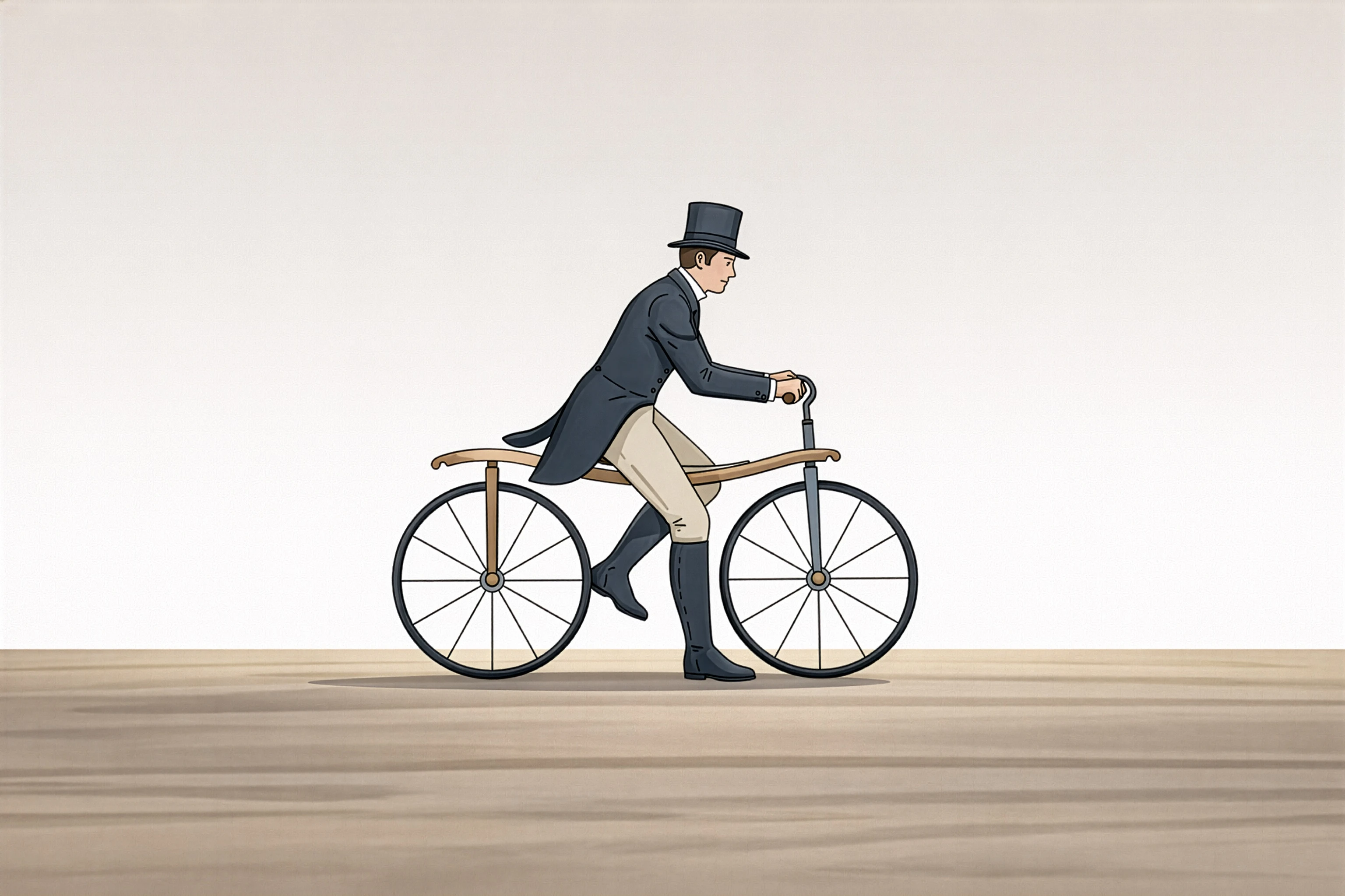
1817 — The beginnings of the movement

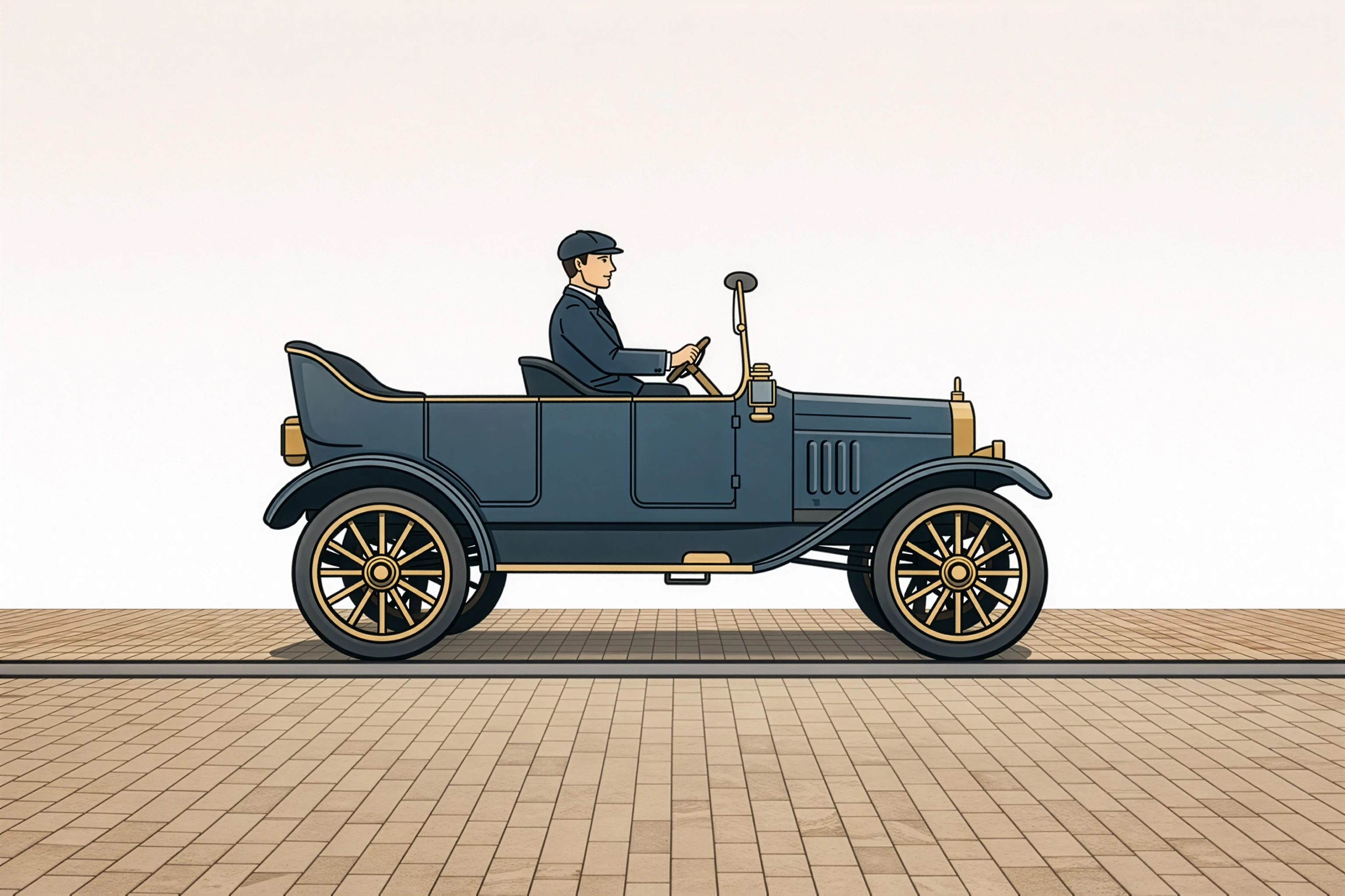
1908 — The era of motorization

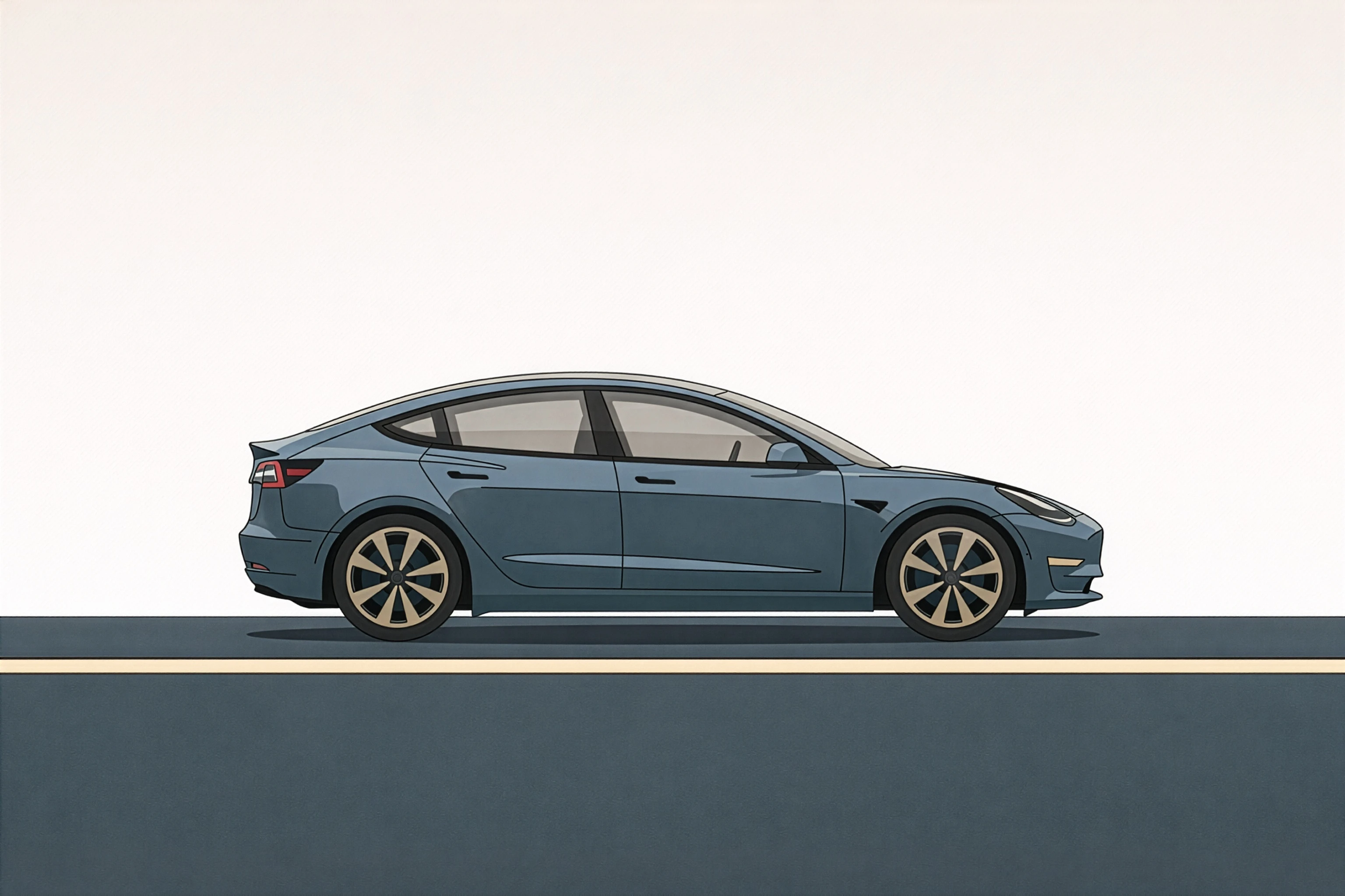
2017 — The electrical revolution

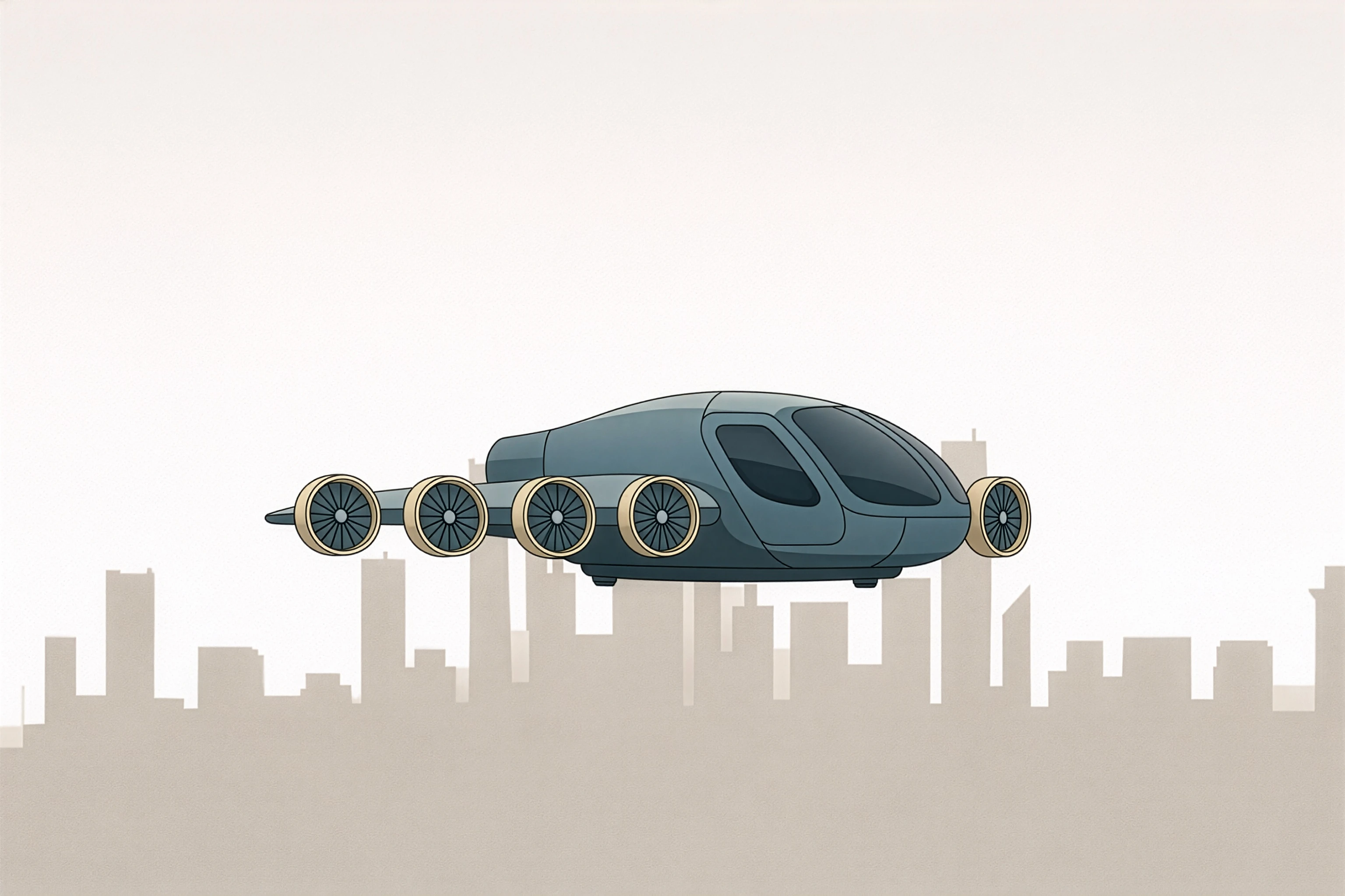
2035 — The future takes off
The transformation of industry

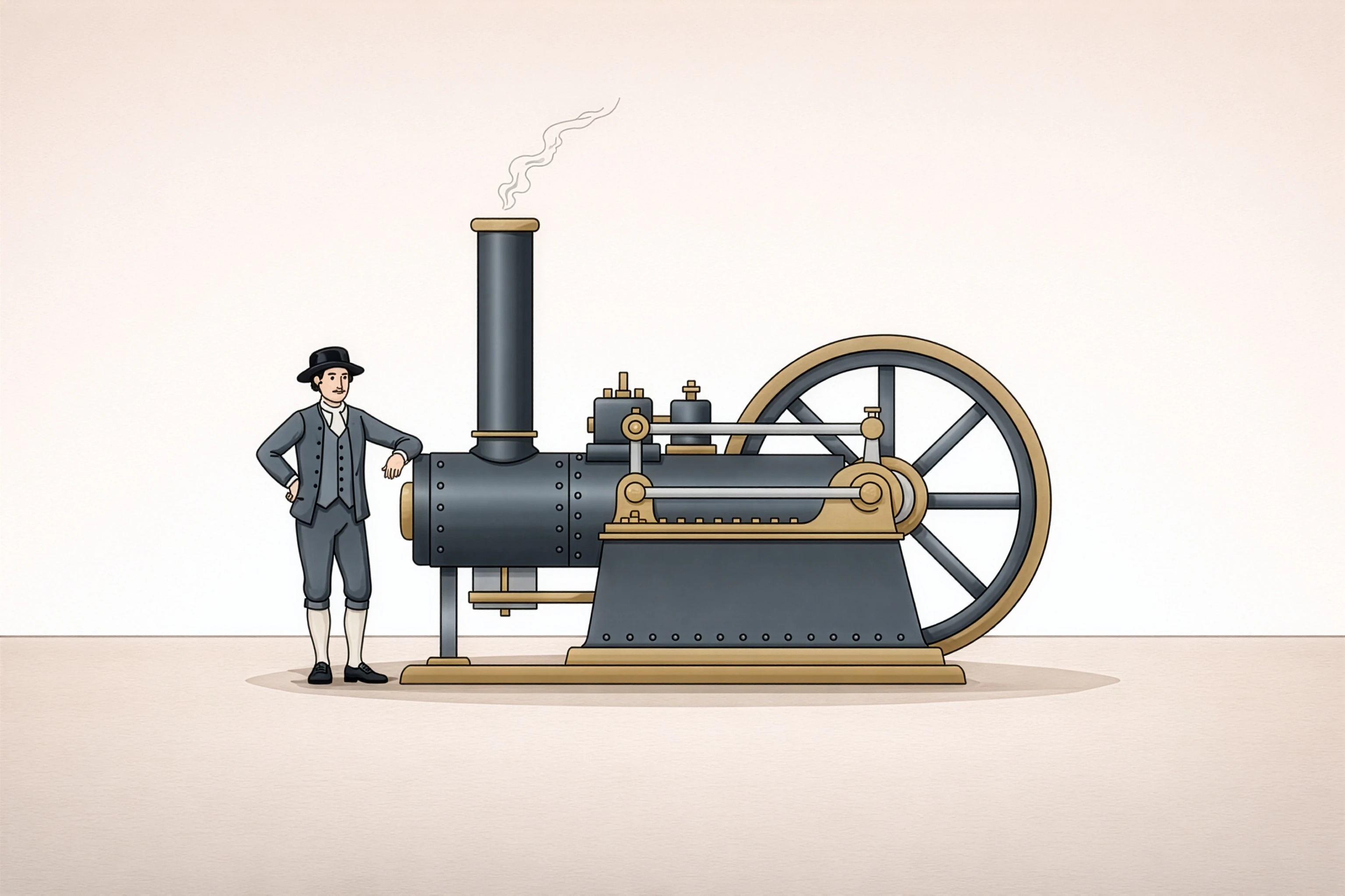
1769 — The beginning of industrialization

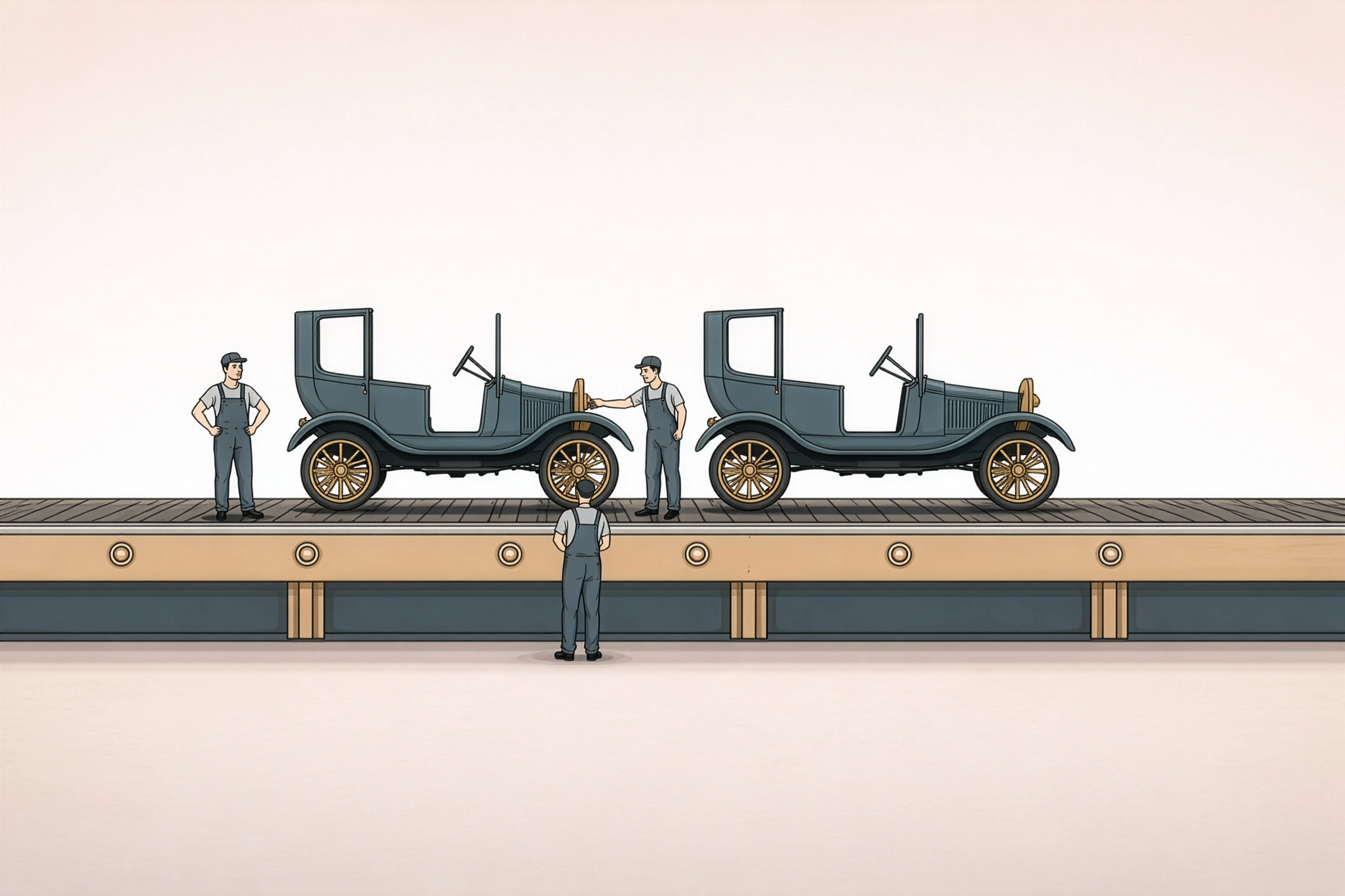
1913 — The birth of mass production

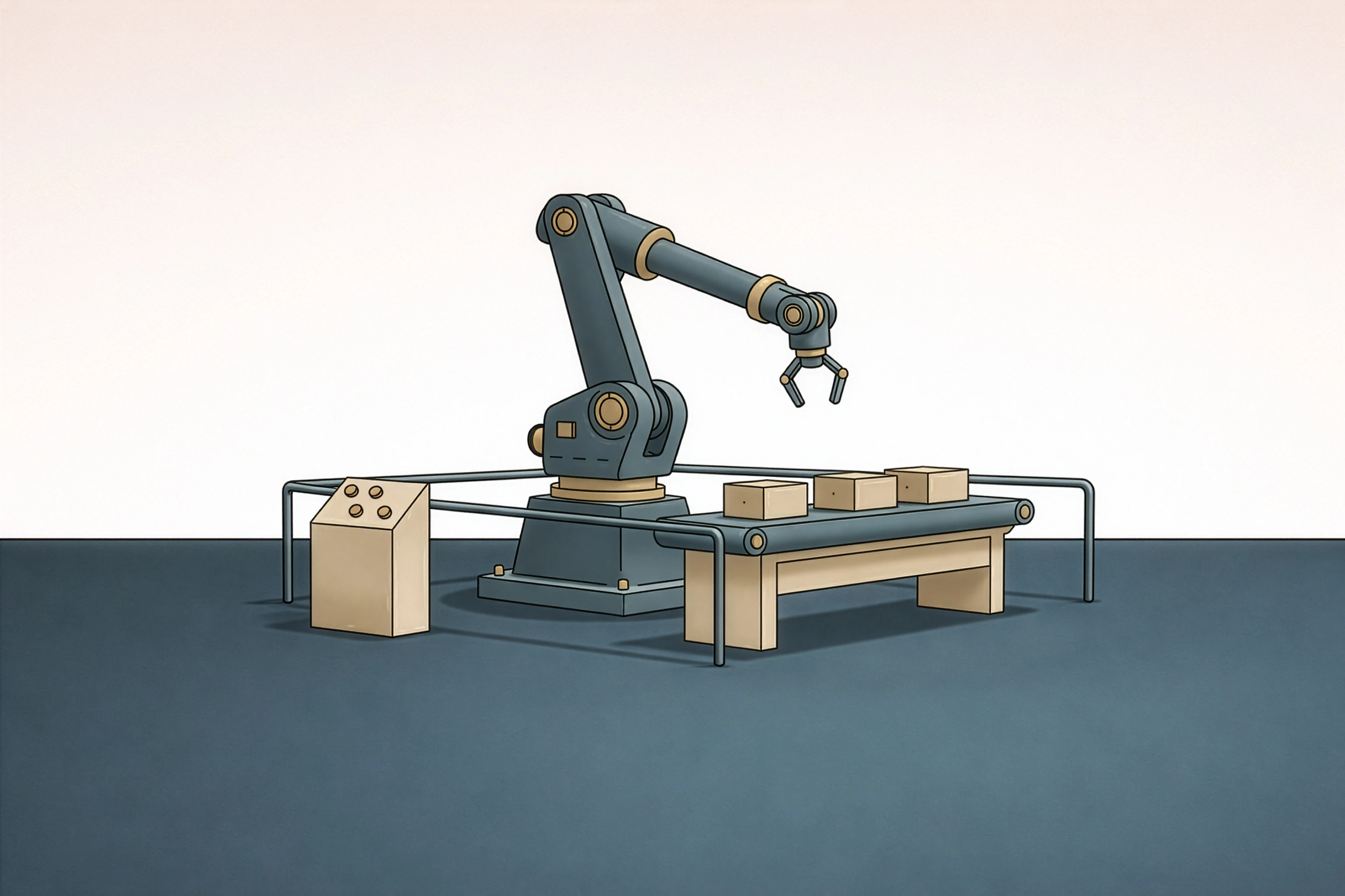
1961 — The advent of robotics

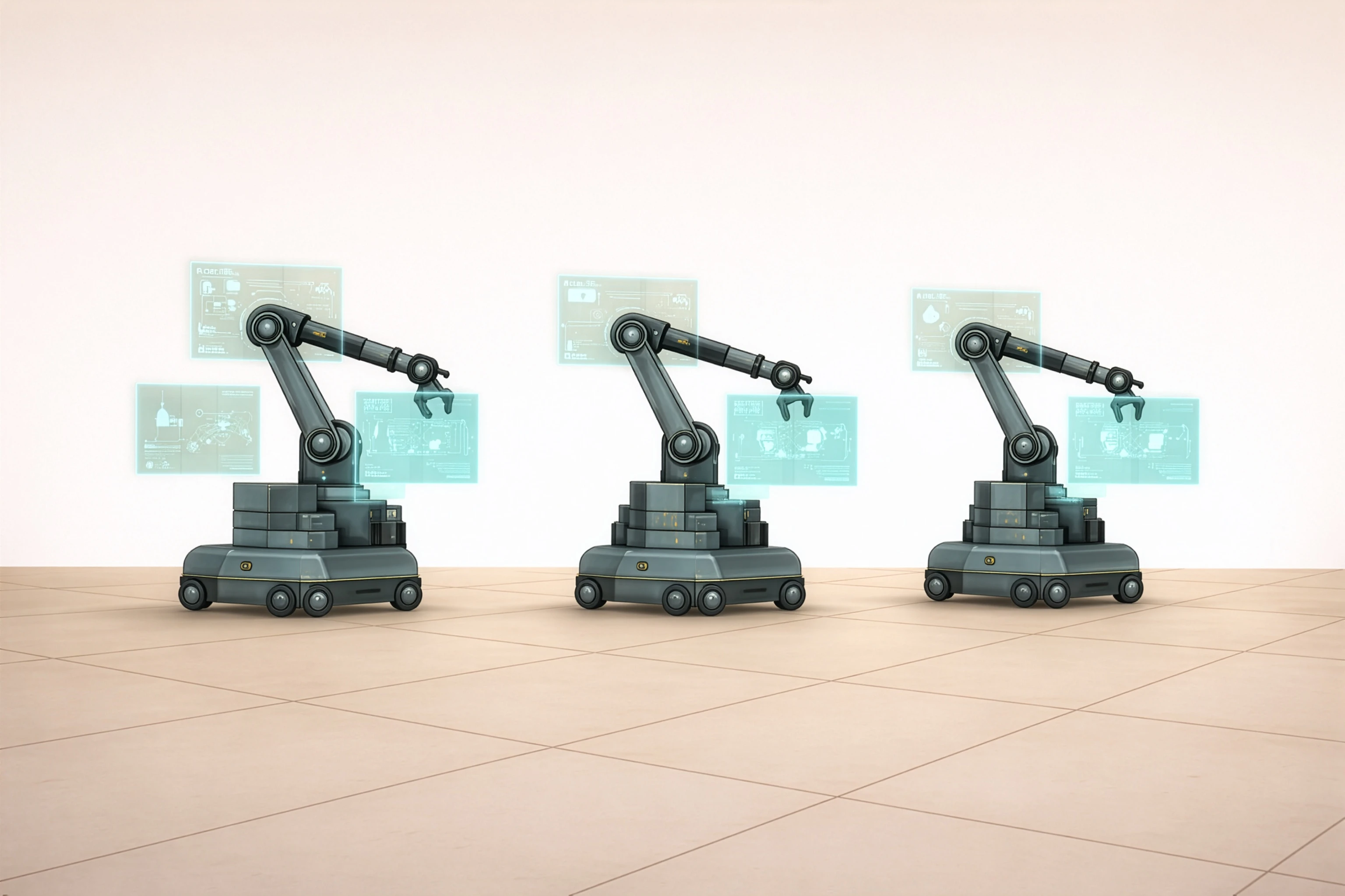
2030 — The fully autonomous factory
The transformation of medicine

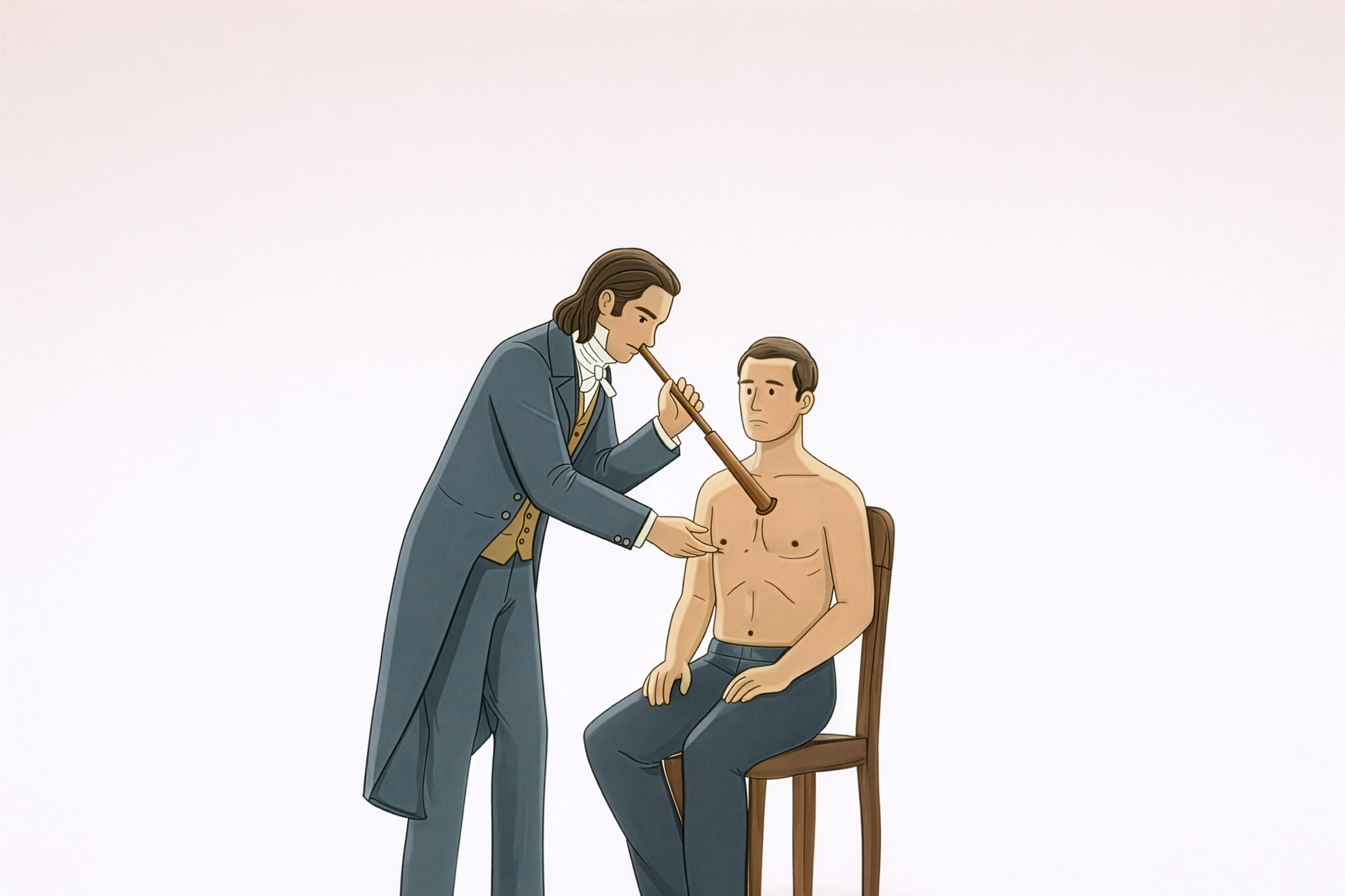
1816 — The beginning of modern diagnostics

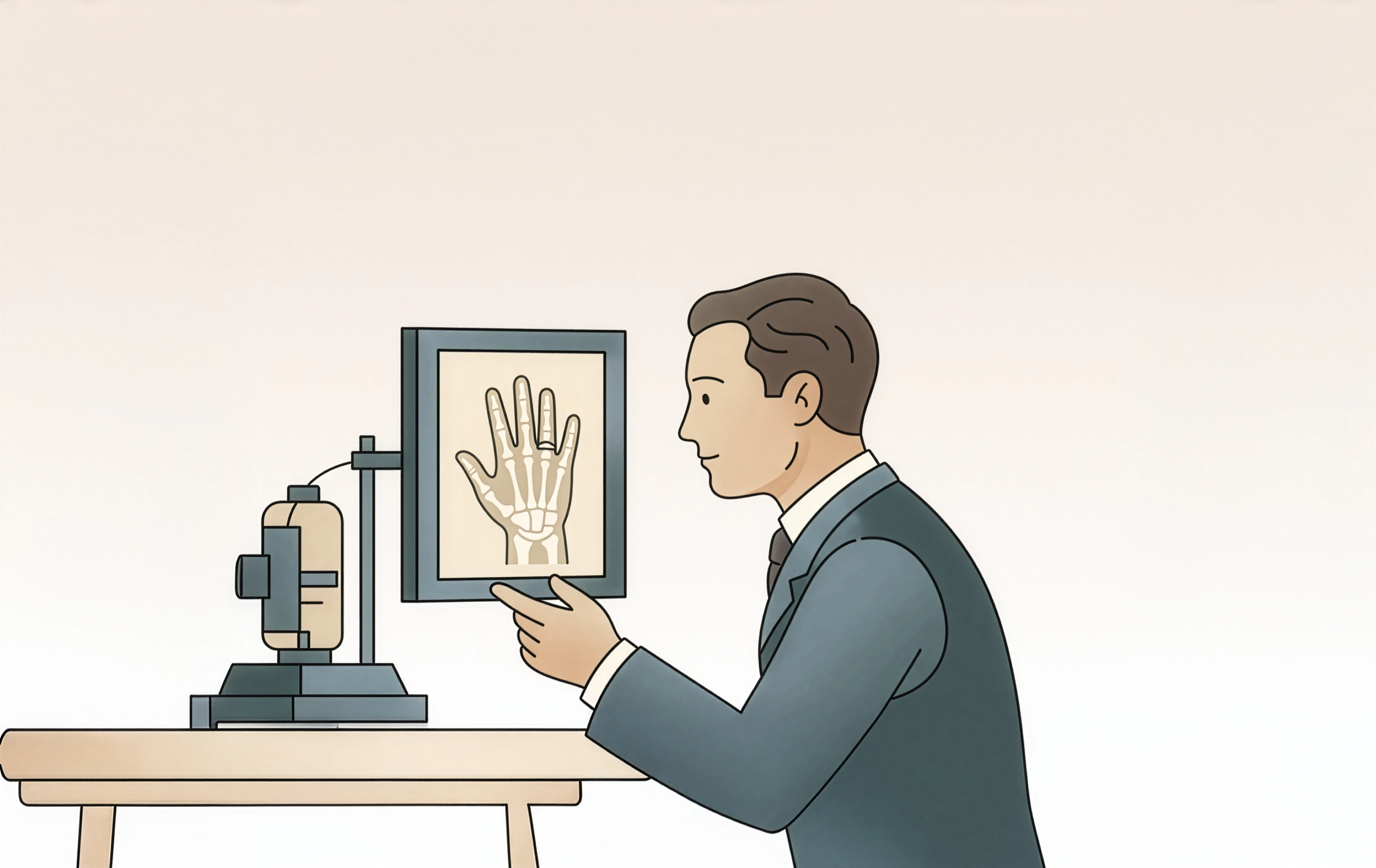
1895 — A look under the skin

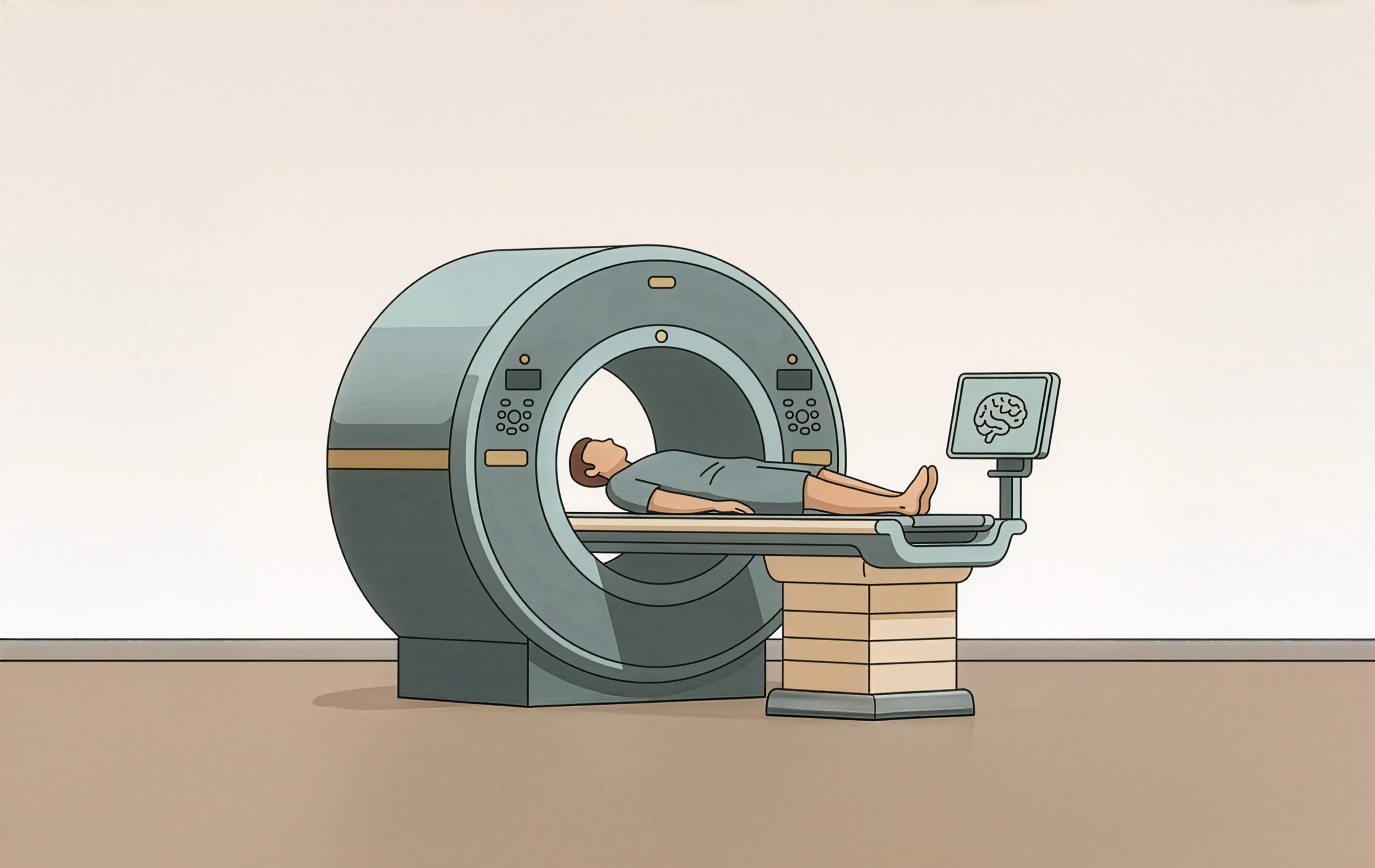
1977 — The precision of the magnetic field

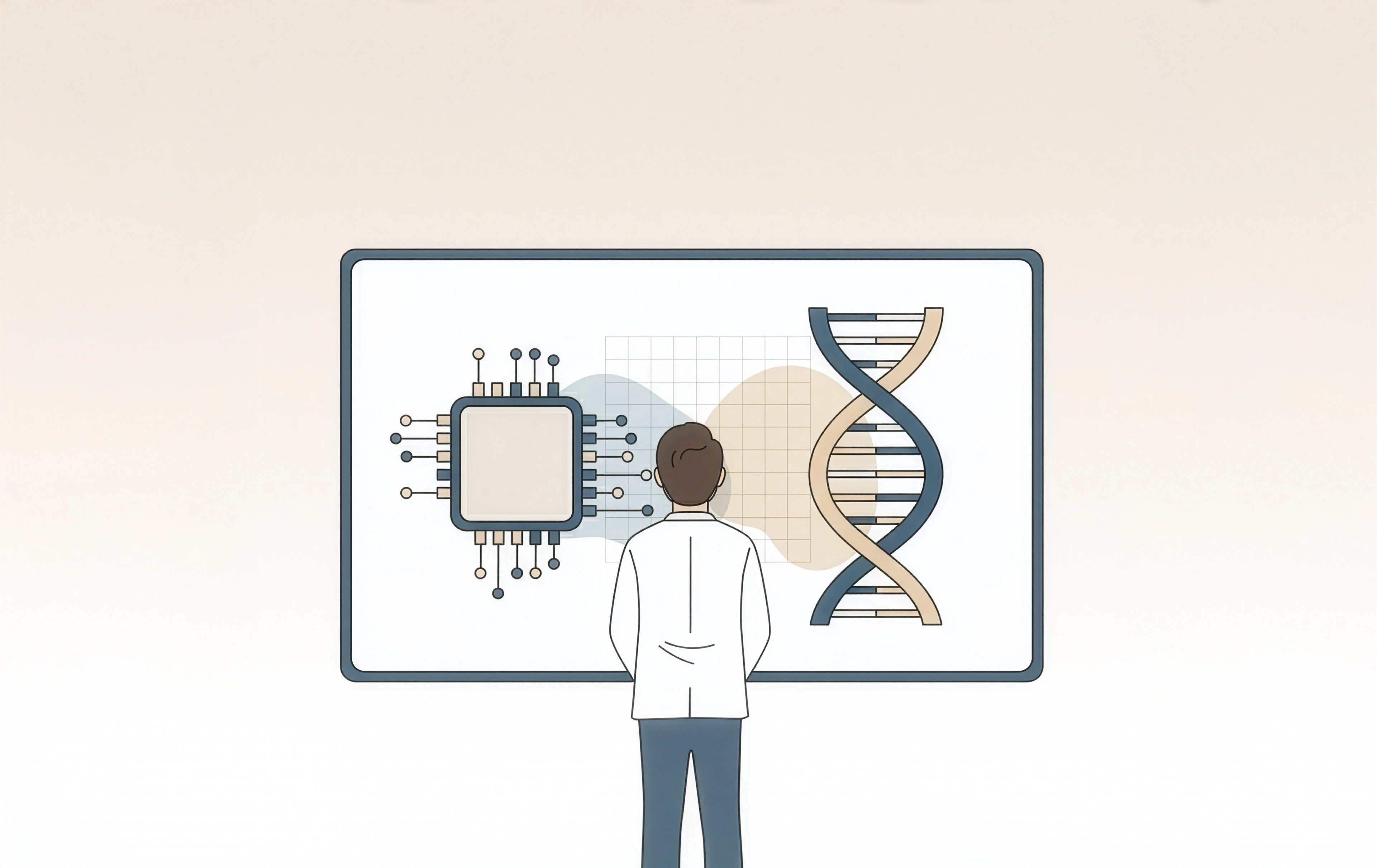
2030 — Decoding DNA
The transformation of communication

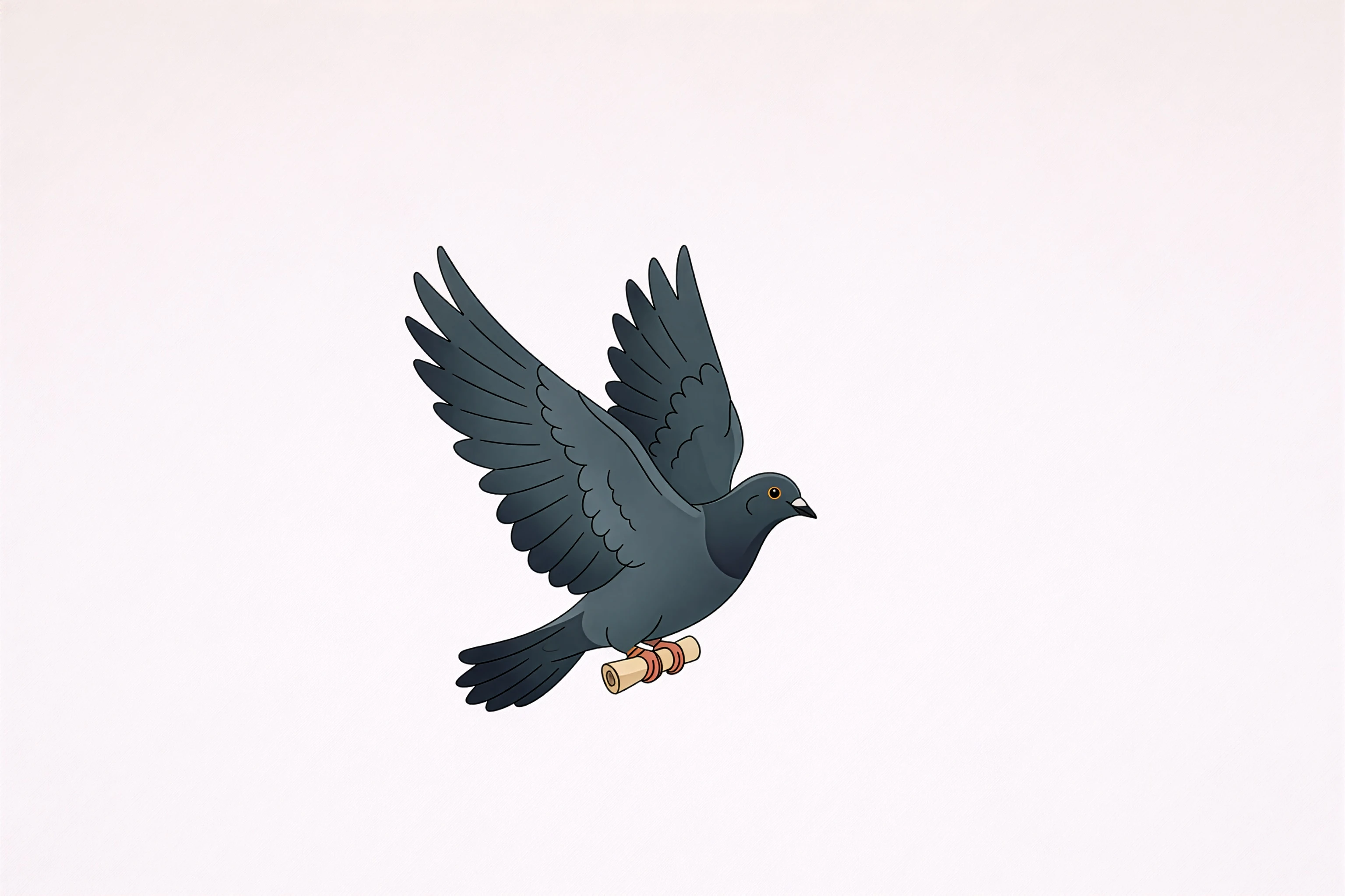
3000 B.C. — The ancient homing pigeon

1876 — The voice gets a line

2007 — Communication becomes digital and limitless

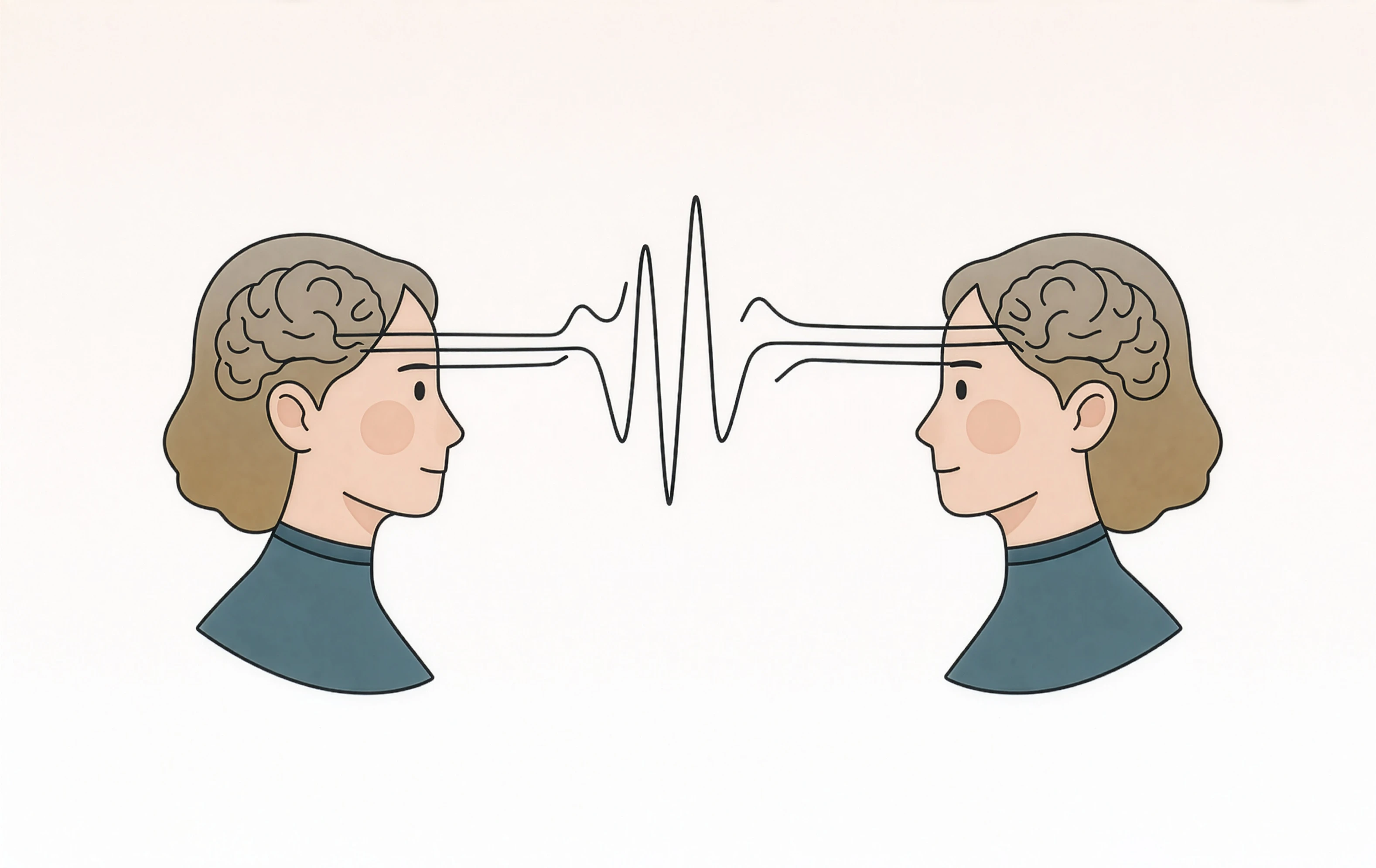
2035 — thought interface
The transformation of agriculture

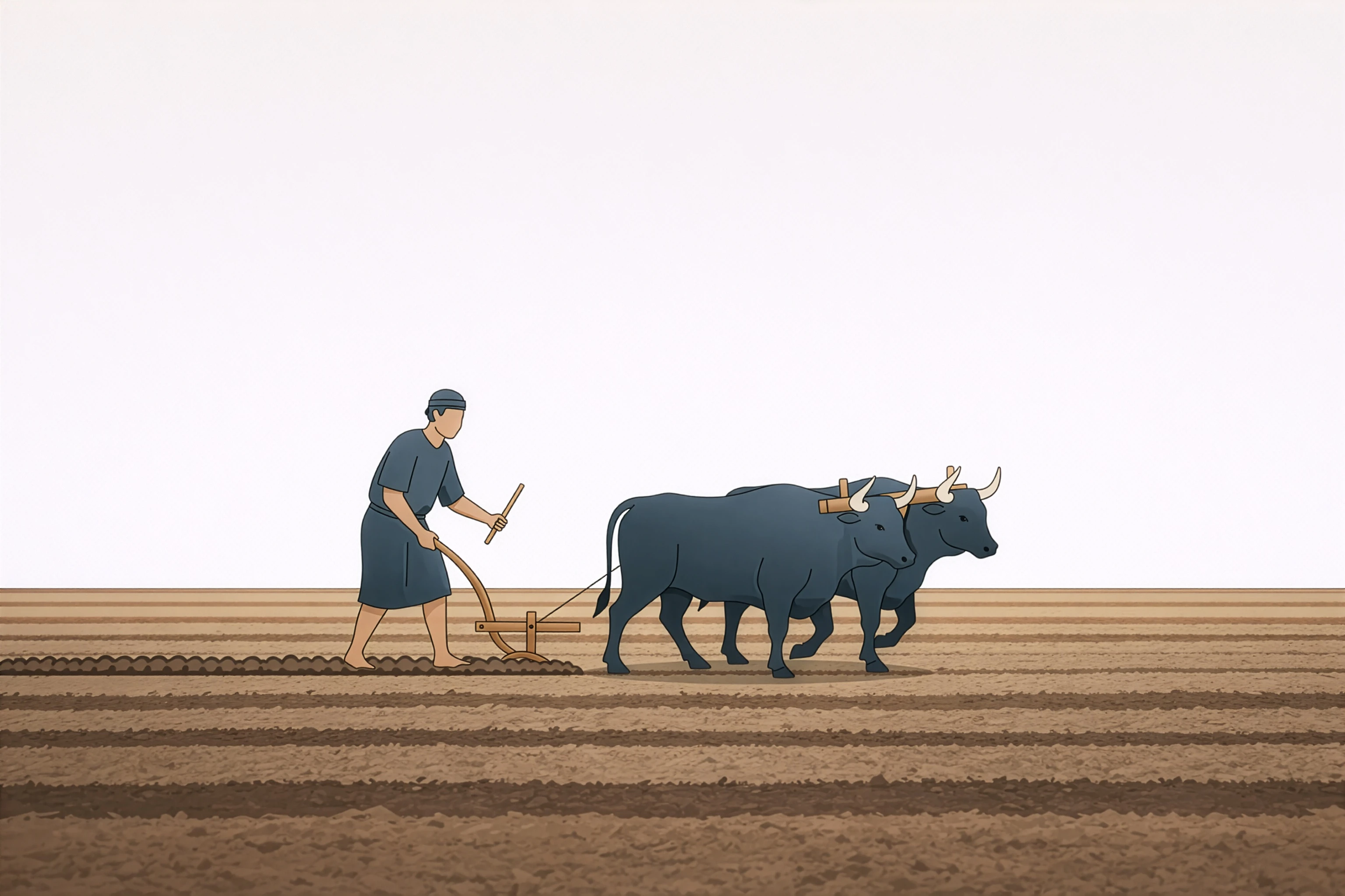
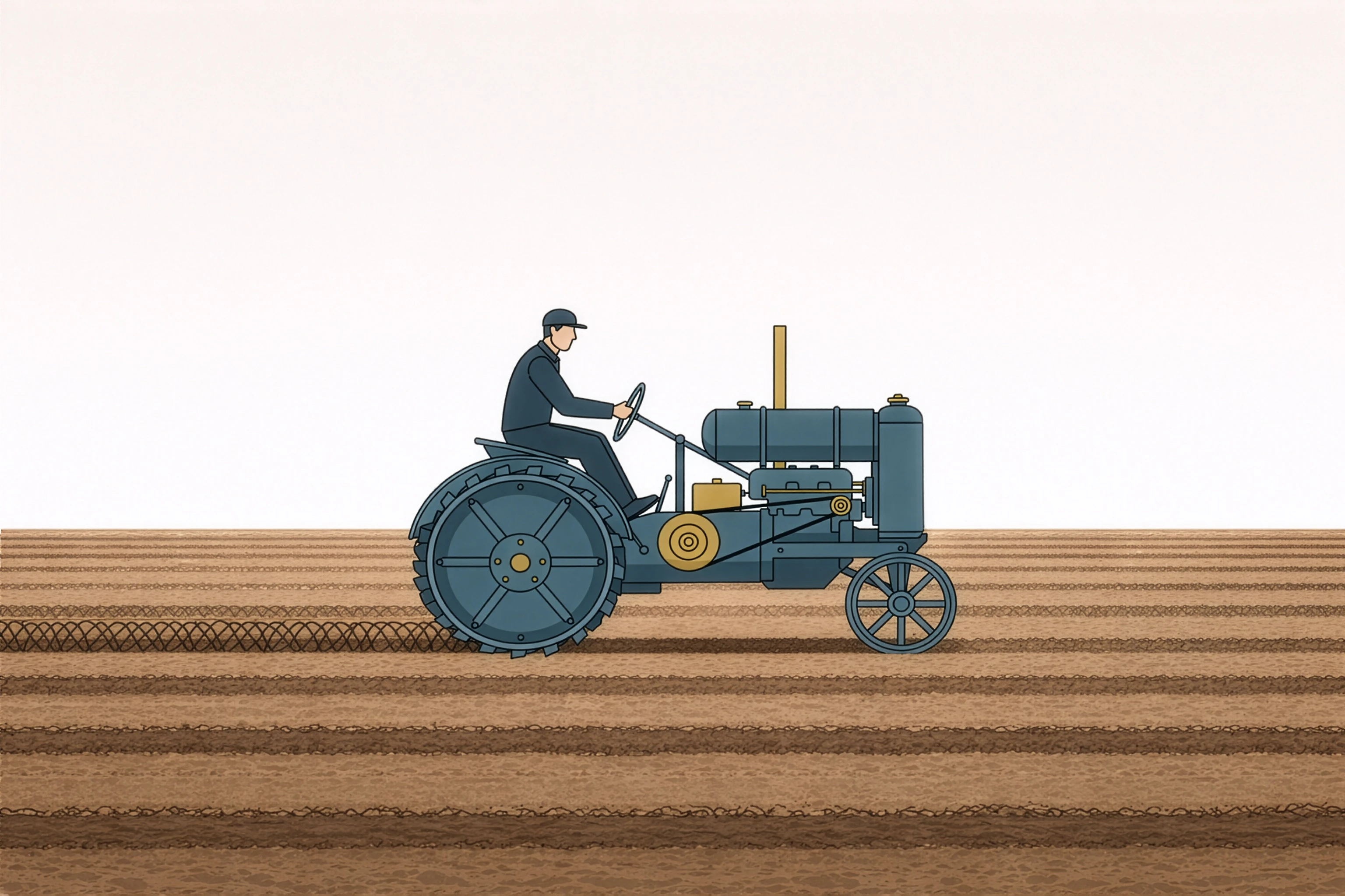
1000 B.C. — Farming from muscle power

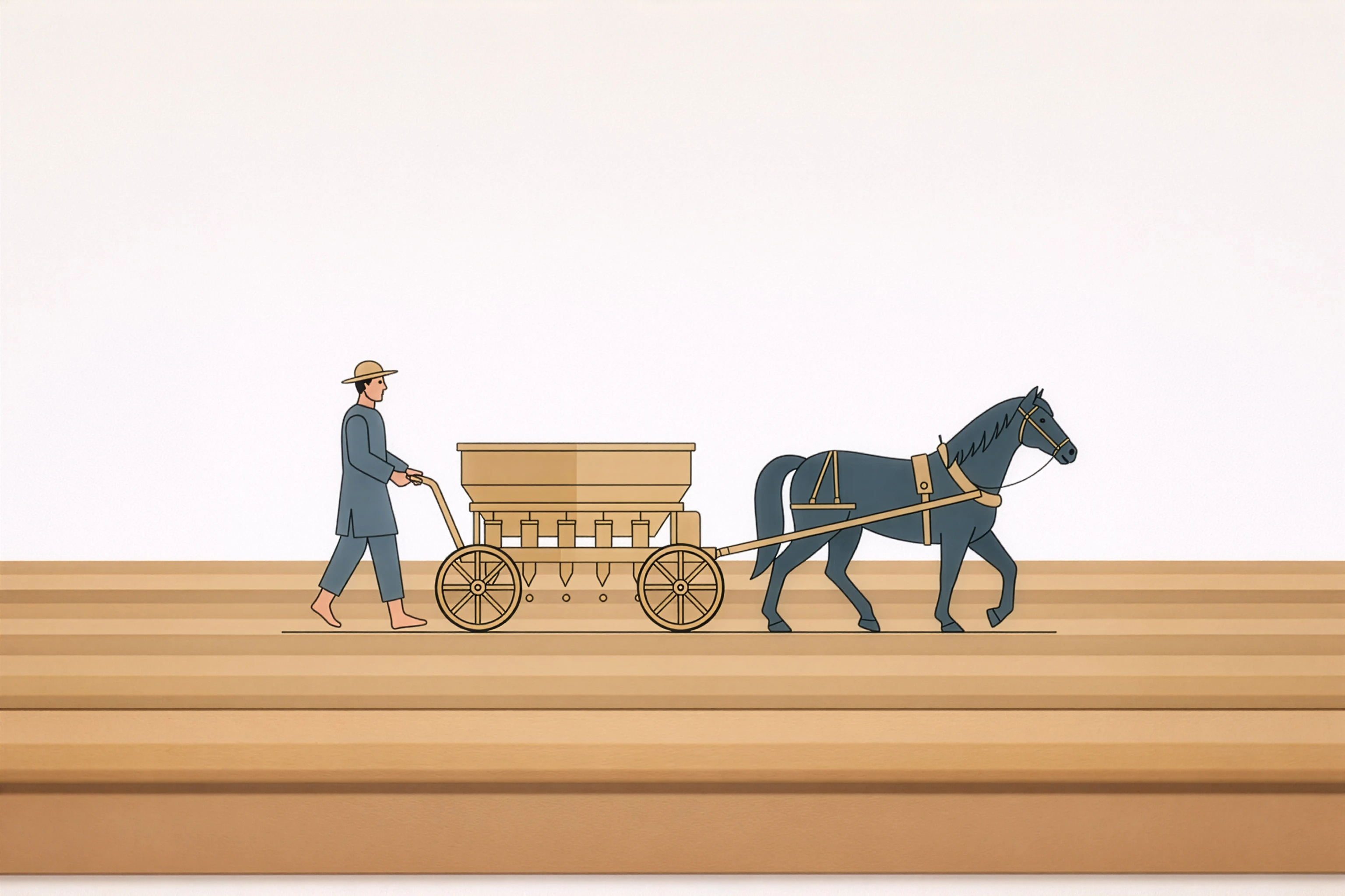
1701 — The start of precise sowing

1917 — The machines replace animal power

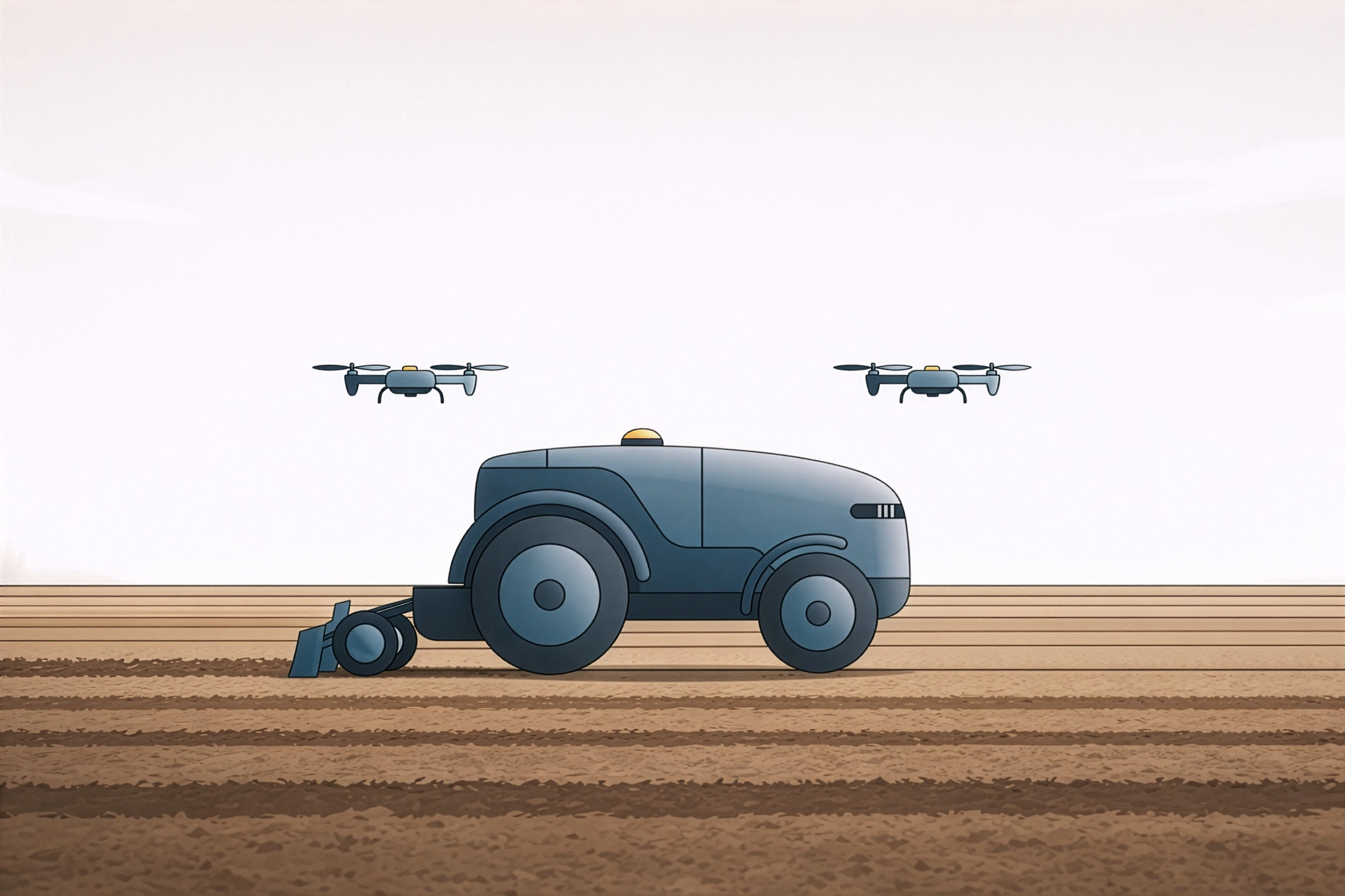
2030 — Autonomous agriculture
.png)
.png)
05
.png)
farming
Agricultural transformation is a continuous process that ranges from manual work to mechanization, chemization and digitization to sustainable, technology-based systems. Each step builds on the previous one and opens up new opportunities to produce more efficiently, sustainably and innovatively.
01

locomotion
From the use of horses to the invention of the steam locomotive in the 19th century and the automobile at the end of the 19th to the beginning of the 20th century — to modern electric and autonomous vehicles: Each stage of development has not only accelerated mobility, but also opened up new social perspectives and opportunities.
04
.png)
communications
Starting with handwritten letters and continuing through telegraphy, telephone and e-mail to smartphones and mobile Internet, these developments have fundamentally and permanently changed the speed, range and quality of human communication.
02
.png)
industry
From manual manufacturing to mechanization and assembly line work in the first three industrial revolutions to automation and robotization in Industry 4.0, this transformation has steadily increased the productivity, quality and flexibility of industrial processes.
03
.png)
healthcare
From simple treatment rooms in the 19th century to the development of modern hospitals in the 20th century to highly digitized clinics with advanced diagnostics, robotics and AI-based analysis: The digital transformation in healthcare enables more precise diagnoses, more efficient processes and significantly improved patient safety.
Transformation is the engine that drives societies, companies and individuals forward. Each progress builds on the previous one and opens up new opportunities to act more efficiently, sustainably and innovatively.
Our mission is to actively shape this change. We see transformation not only as a technical development, but as an integral process that combines the economy, environment and society. The aim is not to reject the old, but to transform the existing into a sustainable form.
Transformation means taking the next logical step — and we are on the side of everyone who wants to take this path.


.png)
.png)
.png)

.png)
.png)
.png)
.png)
.png)